
Mental Health Conditions in the Workplace
Mental health is no longer a “nice-to-have” conversation in the workplace, it is a business, safety and well-being priority.
In New Zealand, mental health conditions are one of the leading causes of long-term sickness, absenteeism and presenteeism and they affect people across every industry, role, and workplace size.
For employers and managers, understanding mental health conditions and how they show up at work is essential, not just for compliance, but for productivity, retention, and fostering a healthy workplace culture. When mental well-being is actively supported, teams perform better, absenteeism and presenteeism reduce, and workplaces become safer and more resilient.

Insights from the 2025 Umbrella Wellbeing Report
27%
of employees reported often or always working while mentally unwell in the past month.
19%
of people reported often or always working while physically unwell.
87%
of workers reported engaging in presenteeism at some point in the last month.
What is Presenteeism?
Presenteeism is when someone goes to work (or works from home) even though they are unwell, exhausted, or mentally overwhelmed, and as a result, they aren’t able to perform at their best. It often shows up when people push through illness, significant stress, or burnout instead of taking time to recover, which can lead to reduced productivity, mistakes, safety risks, and longer recovery times.
We discuss common conditions like depression, anxiety, and psychosocial hazards, providing practical advice to recognise signs and support your people in meaningful ways.
MENTAL HEALTH

Depression and Anxiety in the Workplace
Depression and anxiety are among the most common mental health conditions affecting working adults in New Zealand. While they’re not always visible, their impact can be significant on both the individual and the wider team.
Depression at work
Depression affects more than mood; it influences energy, motivation, confidence, and concentration. Someone experiencing depression may struggle to get through everyday tasks that once felt easy.
Common signs at work may include:
- Ongoing tiredness or lack of energy
- Reduced motivation or engagement
- Changes in attendance, punctuality or productivity
- Social withdrawal or reduced interaction with colleagues
- Difficulty concentrating or making decisions
- A noticeable drop in work quality or missed deadlines
- Loss of interest in tasks they previously enjoyed
Anxiety at work
Anxiety often shows up as constant worry or tension. It can be triggered by deadline pressure, workload, job security, workplace relationships, or fear of making mistakes.
Signs of anxiety in a work environment may include:
- Restlessness or irritability
- Difficulty focusing
- Avoiding meetings or tasks
- Over-preparing or perfectionism
- Physical symptoms such as headaches, nausea, or elevated heart rate
- Excessive reassurance-seeking or inability to relax
Not everyone experiences anxiety or depression in the same way.
Some people remain highly functional while suffering internally, making it important for managers and colleagues to stay observant and curious rather than assuming everything is “fine”.
Stats sourced from 2023 SEEK research
70%
of New Zealanders believe that workplace factors have negatively impacted their mental health
66%
of employees have felt the need to take a mental health day but haven’t actually done so.
Psychological Stress and Its Effect on Performance
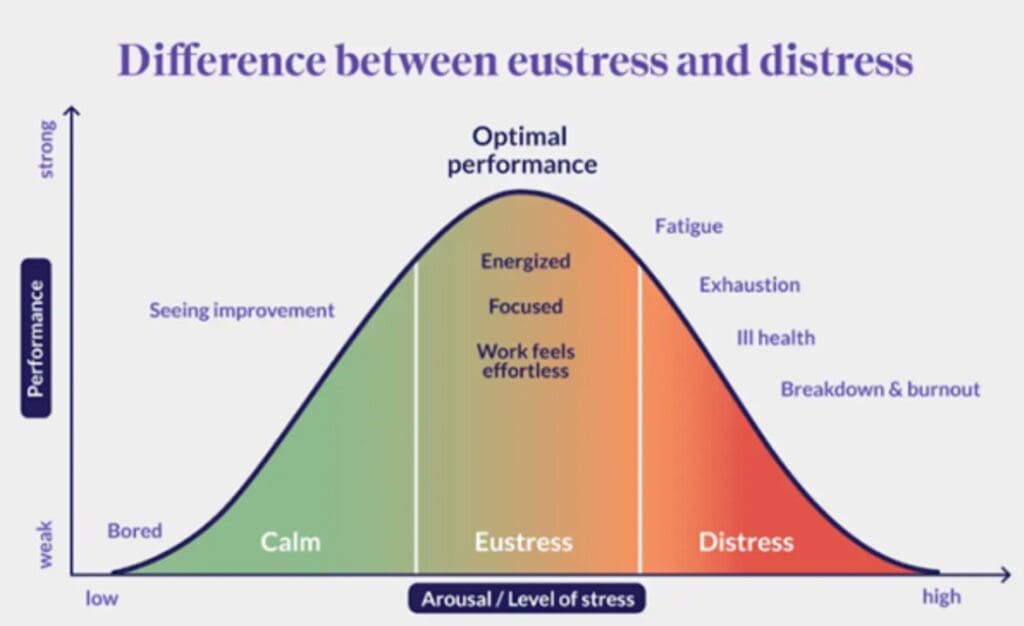
Stress in small doses can help performance, as short bursts of pressure trigger the release of adrenaline, which sharpens focus, speeds up thinking, and helps people power through tasks (See Eustress).
However, stress becomes harmful when it is intense, ongoing, and unmanaged. When pressure doesn’t ease, the nervous system remains switched on for too long, leading to exhaustion and increasing the risk of both physical and mental health problems.
Image Source: HealthMatch

Workplace Stress: Causes and Signs
What causes workplace stress?
Stress can arise from:
- Heavy workloads or unrealistic deadlines
- Lack of clarity about role expectations
- Poor work-life balance
- Lack of support from leadership
- Workplace conflict
- Job insecurity
- Exposure to traumatic or emotionally demanding work
Signs of unhealthy stress include
- Emotional exhaustion
- Irritability or emotional sensitivity
- Difficulty sleeping
- Increased errors or lapses in judgement
- Frequent illness
- Burnout symptoms (detachment, cynicism, exhaustion)
Left unchecked, chronic stress can increase the risk of anxiety disorders, depression, heart disease, and long-term absence from work (See Distress).
Psychosocial Hazards: A Health & Safety Responsibility
Psychosocial hazards refer to factors in the workplace that cause psychological harm. In New Zealand, psychosocial risks are recognised under health and safety obligations just like physical hazards. Examples of psychosocial hazards include:
Just as employers manage physical hazards, psychosocial risks must also be identified, assessed, and controlled. Creating a psychologically safe workplace is not only ethical, but also a legal requirement under New Zealand health and safety frameworks.
How Mental Health Issues Impact Business Performance
Mental health challenges affect more than just the individual; they impact the organisation as a whole. Common business impacts include:
- Reduced productivity
- Increased absenteeism and presenteeism
- Higher staff turnover
- Workplace incidents and errors
- Low morale and engagement
- Increased healthcare and insurance costs
Workplaces with strong wellbeing strategies consistently report better retention, stronger culture, and higher employee satisfaction.

Building a Mentally Healthy Workplace
A mentally healthy workplace doesn’t happen by accident, it is built through leadership behaviours, systems, and education.
Effective strategies include:
- Regular wellbeing training and education
- Clear policies around mental health and bullying
- Encouraging early conversations
- Supporting work-life balance
- Providing access to confidential support services
- Creating psychologically safe teams
- Strong leadership modelling wellbeing behaviours
The most effective programmes are not “one-off initiatives” but are embedded into workplace culture and annual wellbeing plans, ensuring mental health is treated with the same priority as physical safety and performance.
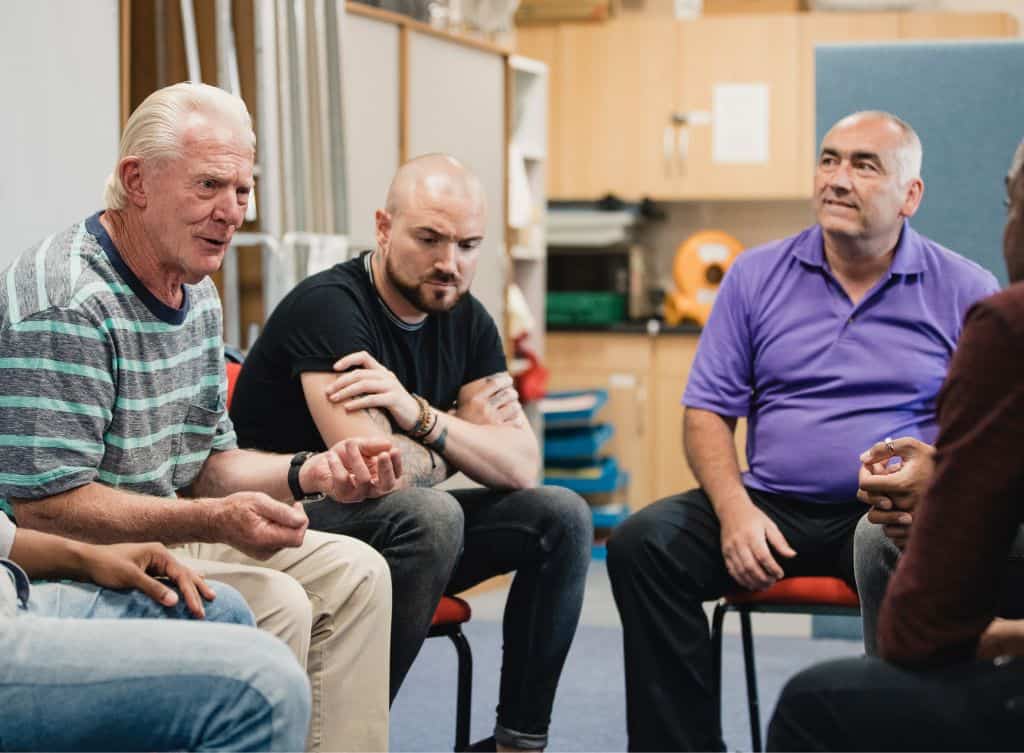
Equally important is making sure employees know how and where to access support.
Employers should clearly communicate the internal and external resources available, encourage open conversations with managers or HR, and promote early help-seeking without fear of judgement.
Providing links to trusted New Zealand mental health organisations, such as 1737 helpline, Mental Health Foundation NZ, or EAP services, helps ensure employees can access professional support beyond the workplace when required.
When mental wellbeing is visible, accessible and supported from the top down, organisations create safer, healthier environments where people are more likely to thrive, not just at work, but in every part of their lives.
Training That Creates Real Impact
At LifeCare, we work with New Zealand businesses to build resilience, increase awareness, and equip teams to support mental wellbeing at work. Both courses are designed to be practical, relatable, and immediately usable in everyday work life.
Mental Health 101 Training
This course provides your team with:
- A clear understanding of common mental health conditions
- Practical ways to recognise early warning signs
- Skills to support colleagues safely
- Confidence in starting conversations
- Guidance on when and how to get help
- Psychosocial Risks: how to identify, manage and monitor the factors in the workplace that can negatively affect mental health.
Building Resilience Training
This programme helps employees:
- Understand stress, burnout and emotional reactions
- Learn coping strategies
- Build mental fitness and resilience
- Improve emotional awareness
- Develop practical tools to manage pressure
Both courses are designed to be practical, relatable, and immediately usable in everyday work life.

Take the Next Step Toward a Healthier Workplace
Contact UsMental health is not just a personal issue — it is a workplace responsibility and an opportunity to build stronger organisations.
Whether you are supporting one employee or building a wellbeing strategy across your entire workforce, education is the most powerful tool you can provide.
Enrol your team in our Mental Health 101 or Building Resilience training today and create a workplace that promotes safety, wellbeing, and long-term success.
If you would like to speak with our team about tailored mental health training for your organisation, contact LifeCare today.